
Care & maintenance
This guide provides simple care and maintenance tips to help you clean, protect, and maintain your products properly. It also helps you avoid common damage and unnecessary service calls.
Acclimatization & structural settling
The settling of new construction is normal, and this may affect the cabinetry and counters.
The caulking of joints may separate, and doors may require adjustment as well as sunlight and humidity (heat) may cause doors to warp and/or shrink.
Cabinetry care & cleaning for wood, thermofoil and melamine surfaces
How should I clean my cabinets?
It is highly recommended to use a soft, clean cloth dampened with a mild cleaning solution.
- Mix two drops of mild liquid dish soap per one gallon of warm water.
- Wipe clean with a damp cloth (avoiding excessive water) and dry immediately using a separate soft cloth.
What cleaning products should I avoid?
Avoid the following products, as they can permanently damage your cabinet finish:
- Abrasive cleaners, scouring pads, or steel wool
- Harsh detergents or strong soaps
- Solvent or petroleum-based products (mineral spirits, nail polish remover, paint thinner)
- Ammonia or bleach-based cleaners
- Spray waxes (e.g., Pledge) or self-polishing waxes
- Sponges or dishcloths that may contain grease, residue, or harsh chemicals
How do I avoid heat damage?
Self-cleaning appliances generate intense heat that can damage adjacent cabinetry. When using an oven’s self-cleaning cycle:
- Pull the stove out approximately 3 inches from the wall.
- Open all cabinet doors and drawers adjacent to the stove to allow heat to dissipate.
- Always use the exhaust fan when cooking on the range top to reduce heat buildup.
Will sunlight affect my cabinets?
Yes. Prolonged exposure to direct sunlight may darken natural wood and fade painted or laminated finishes. Use blinds or curtains to limit UV exposure.
How often should I dust my cabinets?
Dust regularly with a soft, dry cloth. Avoid pre-moistened dusting sheets or aerosol dusting sprays.
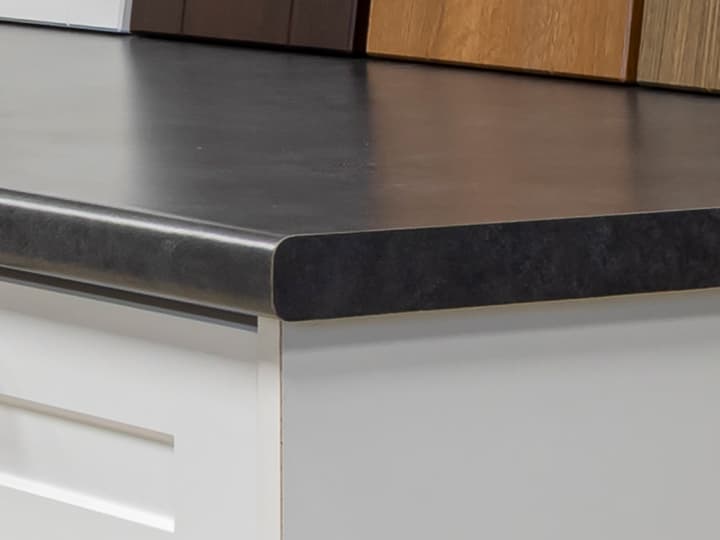
Countertop Care
What’s the best way to clean my countertops?
Use a soft cloth or sponge dampened with warm water and mild dish soap. Avoid abrasive cleaners (including bleach) and steel wool, as these will damage the surface.
How do I prevent damage?
- Always use a cutting board for food prep.
- Extreme heat will cause the laminate to crack and/or blister. Avoid placing hot pots and dishes directly from the oven onto the counter.
How do I handle spills?
Wipe immediately. Laminate countertops are not waterproof. Wipe up water and other liquids immediately to prevent the substrate from swelling.
How do I remove stains?
For laminate surfaces, use a non-abrasive household cleaner or a paste made from baking soda and water. Rinse and dry thoroughly.
Hardware Care
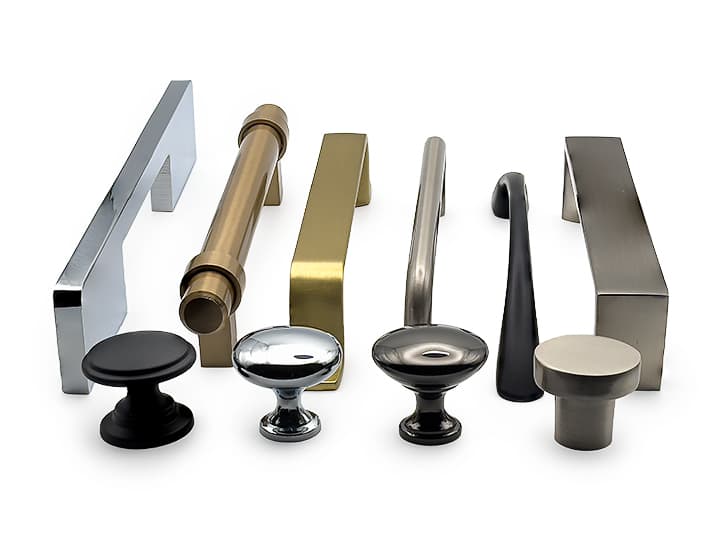
How should I clean my knobs and handles?
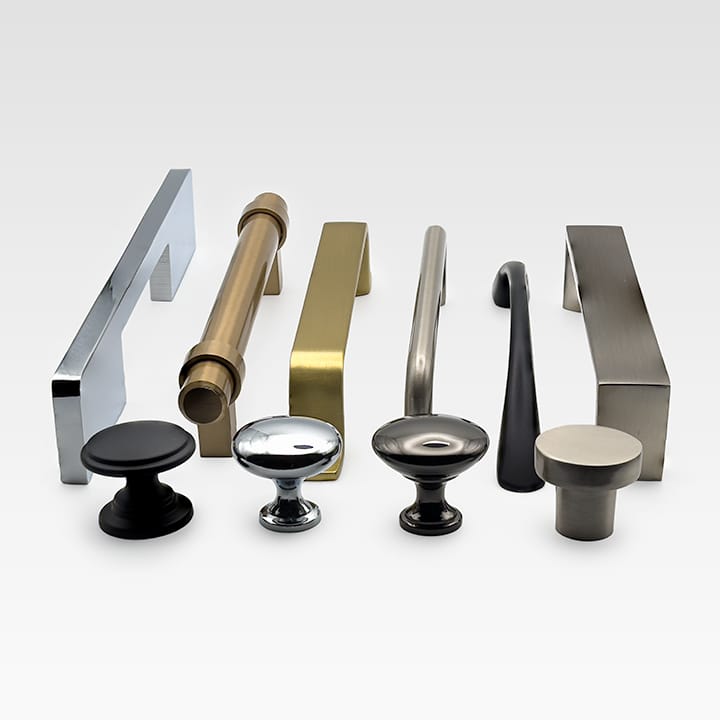
Use a damp cloth and mild soap. Avoid metal polishes or harsh chemicals that can damage protective coatings.
What can I do about squeaky hinges or slides?
Apply a small amount of silicone-based lubricant. Avoid oil-based products, which attract dust and dirt.
How do I fix loose hardware?
Tighten screws gently with a screwdriver. Do not over-tighten to avoid damaging the screw holes or hardware.
Annual Maintenance Tips
What should I inspect each year?
- Check hinges, handles, and slides for proper operation.
- Tighten any loose screws or hardware.
- Inspect seals and caulking around sinks and countertops.
- Clean and lubricate hardware if needed.
- Look for signs of moisture or wear in high-use areas.
When should I contact Normac Kitchens?
If you notice structural damage, warping, or issues related to installation or cabintery warranty, contact your Normac representative for service support. You can also visit our customer support page.
General Best Practices
- Maintain indoor humidity between 35–50% to reduce warping or cracking.
- Avoid exposing cabinets to excessive heat or moisture.
- Do not use steam cleaners or high-pressure sprayers.
- Clean spills and splatters right away.
- Keep surfaces clean and dry for long-term durability.